
Giving Good Days Summer Newsletter- 2017




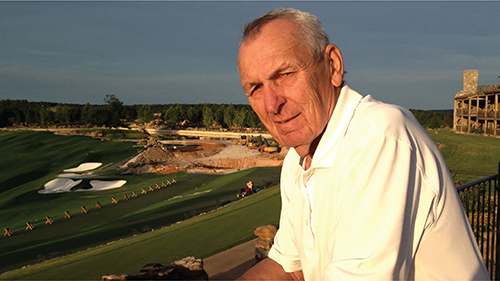
Click here to download the Summer Newsletter Meet Anton Attitude Matters Anton Tasich, 85 years young, is a very positive person. In his own words, he is not ready to die yet, because he has too much to do. In the past seven years, though, Anton has faced Stage 4 lung cancer, then prostate cancer, and a combined 70 radiation treatments to deal with both. But today he feels terrific. “Nobody wants to hear the C word. Attitude has a lot to do with how you recover – attitude, genes, prayer and medicine,” says Anton, who has received support from Good Days for the past two years. Anton spent his professional career as a restauranteur in the Midwest. He says that “if you really want to be stressed, try managing six restaurants.” He credits his wonderful and loving wife, strong will, and positive thinking as the core aspects that have gotten him through tough times. In dealing with Good Days’ Patient Care Specialists, Anton was glad to find a support team that has always been pleasant and helpful. His experiences have also led him to take up advocacy roles in his community. Anton led a petition to introduce an indoor smoking ban in his hometown and has been a guest speaker at the National Cancer Survivors Day, an annual celebration of life held in hundreds of communities nationwide to honor cancer survivors and to show the world that life after a cancer diagnosis can be fruitful, rewarding, and even inspiring. “If my story can help others, then that matters,” says Anton. “When you’ve been through two cancers, you have something to share that can help.” Good Days recently partnered with the National Comprehensive Cancer Network® (NCCN®), a not-for-profit alliance of 27 of the world’s leading cancer centers, to unveil the NCCN Guidelines for Patients®: Distress.
In an article published by The Huffington Post, Good Days’ Executive Director Clorinda Walley speaks with Memorial Sloan Kettering’s Jimmie C. Holland, MD, Chair, and Siteman Cancer Center’s Teresa L. Deshields, PhD, Vice Chair of the NCCN Clinical Practice Guidelines in Oncology Panel for Distress Management. Read an excerpt from that article below:
Why did NCCN feel it important to publish guidelines for distress? Is this an issue that oncologists and patients need assistance to address?
Have the sources of distress surrounding cancer changed over time?
Who are the most appropriate professionals to address sources of patient distress?
To read more of Clorinda’s articles in The Huffington Post, search for “Huffington Post, Clorinda Walley” using your preferred online search engine. Brenda Hawkes is senior manager of patient advocacy at Diplomat, the nation’s largest independent specialty pharmacy. Diplomat brings personalized medication therapies to people with complex chronic diseases. Brenda leads Diplomat’s patient advocacy efforts, reaching out to support groups nationwide, teaching empathy to fellow employees, and keeping a keen eye on what patients need. If the future of our health care system may seem constantly in flux, Good Days’ focus remains on that which matters most to individuals and families across the country: access to care.
Patients are readjusting to the long-term picture of coverage under the Affordable Care Act at the same time hospital systems and providers are too. For those we support and their loved ones, this can translate into added confusion and difficult questions. This is especially the case for chronic disease sufferers who need several concurrent treatments. Our nonprofit has helped more than half a million patients who
As an advocate that works directly with patients, Good Days understands that access to care goes beyond financial resources. Patients require the right information and professional support that will aid their specific health care situation. Good Days is the last line of defense for underinsured patients who find that the health insurance coverage available to them is not enough. Because we are patient-focused, we must constantly work to support the individuals we serve.
Keeping with our mission, we have already enhanced our ability to support the patient community in new and more complete ways this year. Our team of Patient Care Specialists recently participated in special training seminars to enrich our communications with patients.
The months of January, February and March were host to a number of national cancer awareness initiatives, including breast, colorectal, multiple myeloma and World Cancer Day.
It is with a deep understanding of the patient experience that we continue to seek new ways to enhance our ability to help. Good Days exists so that others may enjoy more of life. Thank you for your continued support. Sincerely, Clorinda Walley, Executive Director Good Days
IN THE NEWS
GOOD DAYS PARTNERS WITH NATIONAL COMPREHENSIVE CANCER NETWORK
JH: While the stigma attached to cancer is less so today than it was in the past, there is still a stigma attached to psychological or mental problems,
even when they are understandable in the context of coping with cancer. NCCN recognized this and invited me to help them address the knotty problem of why it was so hard to encourage that discussion. They appointed a panel to study the problem and we found both patients and oncologists did not like the words “psychological” or “psychiatric”– but the word “distress” was fine because it was clearly normal to be distressed and it could vary in how bad it was.
JH: Cancer treatments have changed with precision medicine and the side effects to which people are responding are different, but human emotions don’t change. Overall, it’s a more friendly environment in which to have cancer today than 30 years ago, when it was stigmatized.
TD: With today’s push for patient-centered care, it should be getting easier for oncologists and patients to talk about distress and for oncologists to ask about it. Hopefully, we’re moving away from “the tyranny of positive thinking,” as Jimmie writes about in her book.
TD: Distress can reflect physical, emotional, social problems, and so on. It’s helpful to have the range of supportive services in house to address these problems, but if not, then to have referral services available. Some offer them for free, and some don’t. Others have a lot of variability. Oncologists can often address the physical sources of distress. We’re used to managing pain, fatigue, and insomnia. I’m working with oncologists to help them feel more comfortable addressing the psychological sources of distress.
The NCCN Guidelines for Patients®: Distress is available for free online at NCCN.org/patients. PARTNER SPOTLIGHT
BRENDA HAWKES
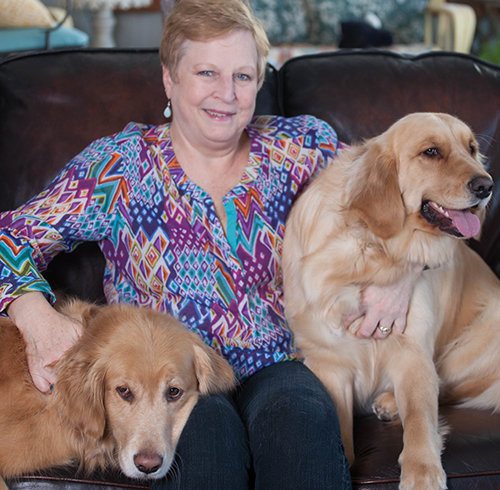
Good Days: Good Days works closely with specialty pharmacies to provide patients with instant access to medicine and treatments. You have a unique role as patient advocate within that partnership. How long have you worked with Good Days in this capacity?
BH: I’ve worked with Good Days professionally for six years now. As far as I know, I am the only person in the specialty pharmacy industry whose role is concentrated on patient advocacy.
Good Days: Your role is to represent the “voice of the patient” – which is exactly what Good Days works to promote as an advocacy organization. Can you speak to what brought you to that position and any personal experiences that shape your views on patient access and care?
BH: Certainly. I am a cancer, survivor myself, and so is my husband, so I come to this roleith very personal experiences as both a patient and a caregiver. In 2002, my husband was diagnosed with colon cancer, and in 2006, I was diagnosed with breast cancer. Our experiences were very different. Externally, my husband handled his cancer very well. He continued to bike regularly and tocook, which helped him deal with distress. Meanwhile, the cancer experience and treatments were much harder on me and even led to my being out of work for three years. It takes a toll on your family and your everyday living. I know from these experiences that cancers are not the same and you cannot compare cancer between people. Dealing with chronic illness is a process unique to each person.
Good Days: Do you have any advice you would share with our patient community reading this?
BH: With chronic illness, at times, everything you take for granted in your life can feel as though it is falling apart. I know from personal experiences that to make the best of your health care situation, you cannot give up. You must own your experience with your doctors. People are often too proud to ask for help. It isn’t easy. Remember that there are guides and resources that can assist you. They don’t want to take your pride away, but to help.
Good Days: Thank you so much for sharing your experiences with us.
BH: Thank you for the opportunity.A LETTER FROM THE EXECUTIVE DIRECTOR
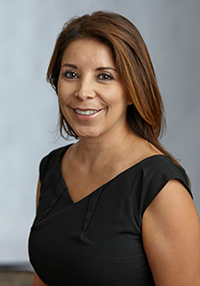
CLORINDA WALLEY
found themselves in this and similar situations.
So that we can better serve the patient community, Good Days established a new relationship with a recognized leader in oncology – the National Comprehensive Cancer Network – to develop and unveil the newly released NCCN Guidelines for Patients: Distress. The guidelines, a free supportive resource for cancer patients and their cancer team, are designed to help patients understand the sources of distress and prepare them to talk about what they’re experiencing with providers.

Sign Up For Email Newsletter
Fill out the form below to get regular updates delivered straight to your inbox.