
Giving Good Days Spring Newsletter- 2017




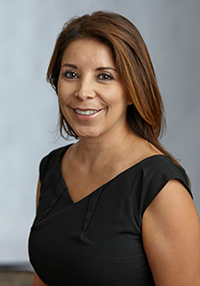
Bonnie has dealt with relatively minor lung issues most of her life. But just four years ago, her health took a serious turn for the worse. Bonnie found herself having trouble breathing, and her legs were extremely swollen. She was taken to the hospital where she was diagnosed with pulmonary arterial hypertension (PAH). PAH is a rare and progressive form of pulmonary hypertension that causes a narrowing of the blood vessels in the lungs that leads to elevated blood pressure and currently has no cure. If left untreated, it can lead to heart failure. Fortunately, there are multiple treatments available to help reduce symptoms, improve the quality of life, and slow disease progression. Bonnie spent nearly three months in the hospital. She suffered a heart attack while she was there and had to be put on a ventilator three different times. Her daughter Tammy says, “They did not think she would make it.” The staff began talking to Tammy about “Do Not Resuscitate” orders and they were preparing her for the worst. But gratefully, and thanks to the care of a wonderful doctor, she did make it. Bonnie’s doctor prescribed a treatment that would help to open the blocked blood vessels in her lungs. “It worked wonders,” according to Tammy. And Bonnie improved enough to be released from the hospital. Yet, because pulmonary arterial hypertension is a chronic condition, Bonnie would need to continue this treatment long-term. That’s when Bonnie received the surprising information from her insurance company. Tammy says, “With only a portion of the cost paid by insurance, it left my mom with a copay that was beyond her means. Mom was in tears. I mean she was just scared to death, crying and wondering how she’s going to make it. It’s hard for older people on a limited income to afford the treatment needed when they get sick.” Thankfully, Bonnie’s doctor knew about Good Days. Tammy called right away. “It couldn’t have been any easier. The fellow I talked to just walked me through it, and within 20 to 30 minutes, he had us set up. “They couldn’t have picked a better name, Good Days, because when I went over to my mom’s house that day and told her that she had been approved, it really was a good day. It was awesome, because she wasn’t going to have to worry or cry anymore,” Tammy shares. Receiving assistance with her treatment costs has been such a blessing for Bonnie. Almost four years after her near-death experience, Bonnie feels like she is back to living a full life. And the treatment that Good Days helps her afford is one of the main reasons why. Thanks to the support from generous donors, opportunities for an improved quality of life for patients like Bonnie are made possible. “They couldn’t have picked a better name, Good Days, because when I went over that day and told her that she had been approved, it really was a good day.” PULMONARY HYPERTENSION Pulmonary arterial hypertension (PAH) is a type of high blood pressure that affects the arteries in your lungs and the right side of your heart. PAH is a chronic and life-changing disease that can lead to right-side heart failure if left untreated. PAH occurs when the pressure in the blood vessels leading from the heart to the lungs is too high. The heart pumps blood from the right ventricle to the lungs to get oxygen. When the pressure in this artery gets too high, the arteries in the lungs can narrow and then the blood does not flow as well as it should resulting in less oxygen in the blood. The symptoms of PAH during the initial stage of the disease—difficulty breathing and fatigue—are common to many other medical conditions. Because of this, it is often misdiagnosed or a diagnosis is delayed until more severe symptoms arise, such as dizziness, chest pain, ankle swelling and heart palpitations. While not all pulmonary hypertension can be prevented, efforts to prevent high blood pressure, coronary heart disease, chronic liver disease, and chronic lung disease from tobacco use can help prevent pulmonary hypertension in some patients. At this time there is no cure for PAH, but many different types of treatments options are available to help manage the disease and help patients feel better each day. PAH treatment options include oral medication, inhaled medication, medicine given through the veins under your skin, medicine to reduce swelling in your feet If you or someone you love is experiencing symptoms shortness of breath, fatigue or chest pain, make sure to see your doctor. Every year the World Health Organization marks the anniversary of their founding by celebrating World Health Day on April 7. World Health Day provides a unique opportunity to mobilize action around a specific health topic of concern to people all over the world. The theme of the 2017 World Health Day campaign is depression. Depression can affect any one. It causes mental anguish and impacts people’s ability to carry out even the simplest everyday tasks. Sometimes depression can lead to devastating consequences on someone’s relationships with family and friends and even impact the ability to earn a living. At worst, depression can lead to suicide, now the second leading cause of death among 15-29 year olds. Many people with chronic illnesses become depressed. In fact, depression is one of the most common complications of chronic illness. It’s estimated that up to one-third of those with serious medical conditions have symptoms of depression. A chronic illness can make it impossible for someone to do the things they enjoy, and it can eat away at self-confidence and a hope for the future. No surprise, then, that people with chronic illness often feel despair and sadness. In some cases, the physical effects of someone’s chronic disease or the side effects of their medication lead to depression. The good news is that depression can be treated and even prevented. Treatment usually involves either a talking therapy or antidepressant medication or a combination of these. World Health Organization chose to feature depression for World Health Day in hopes that a better understanding of depression will help reduce the stigma associated with it and will lead to more people seeking help. The campaign slogan is: Depression: let’s talk. • Loss of energy Please help spread the word and help encourage open conversations about depression in honor of World Health Day. And if someone you love is suffering from a chronic illness or is experiencing other stress, please watch for the symptoms listed above and encourage them to seek help. A LETTER FROM THE EXECUTIVE DIRECTOR A call came into Good Days the other day, from a gentleman who needed help treating his metastatic colorectal cancer. Like many others before him, he couldn’t afford the copay cost of his treatment. He was completely distraught. He was literally crying for help. These stories are all too common. Fortunately, we were able to help him get the treatment he needed. But what if we hadn’t been able to? The thought of turning this man away without offering any help breaks my heart—but it also drives Good Days to do more. That’s why Good Days works to create pathways that enable us to help every person who calls. If we can’t help, we are committed to finding someone who can. But it doesn’t stop there. This gentleman was suffering emotionally. And he was alone. Sometimes, the help someone needs is beyond financial support. What more can we do? We continue to build and expand on partnerships with advocacy organizations that can help in other areas that we cannot. As I have mentioned in the past, these partnerships allow us to point our patients to resources that are specific to their diseases, needs and circumstances. Our navigators speak to hundreds of people who are in really tough situations ––just like the gentleman mentioned above. These are heartbreaking interactions, and they respond with empathy, compassion and the desire to help. Good Days provides every navigator with the necessary training and resources to assist people based on their specific needs. We hope this guidance will lighten the burden of those already suffering. Ultimately, we want to ensure that anyone who calls us knows they have been heard. We want to make sure when they hang up the phone, that they have received what they need to move forward in their journey. All of us at Good Days want to be a source of hope for everyone who reaches out to us. And we will continue to create relationships with other organizations that help us be just that –– a source of hope. Thank you for your support. Sincerely, Clorinda Walley, Executive Director Good DaysMEET BONNIE
Finding Hope in the Healing
Understanding This Often Misdiagnosed Rare Chronic Disease
(diuretics) and oxygen.WORLD HEALTH DAY APRIL 7
Helping People Understand Depression and When to Seek Help
Symptoms of depression:
• Change in appetite
• Sleeping more or less
• Anxiety
• Reduced concentration
• Indecisiveness
• Restlessness
• Feelings of worthlessness, guilt or hopelessness
• Thoughts of self-harm or suicideCLORINDA WALLEY


Sign Up For Email Newsletter
Fill out the form below to get regular updates delivered straight to your inbox.