
Giving Good Days Fall Newsletter- 2017




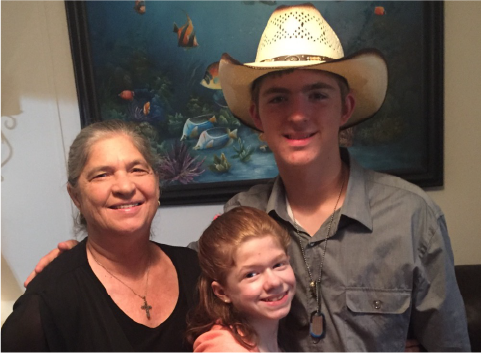
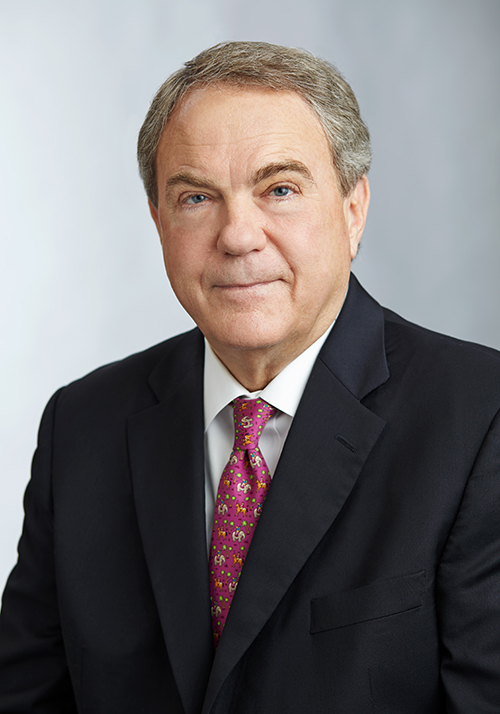
GOOD DAYS IS THERE TO HELP NAVIGATE THE HEALTHCARE SYSTEM WITH YOU Dealing with your own chronic illness is tough enough, but when it affects a child close to you, it can be particularly hard on an entire family. Hanna Boisselle’s niece Sierra is 14 years old and suffers from Nephropathic Cystinosis, a genetic metabolic disease. When Sierra faced changes to her coverage, Good Days was there to help navigate the healthcare system with her. “They even sat on the phone with me while I cried, encouraged me to be strong, helped make sure that Sierra still had a doctor and the right insurance, and got reimbursements for medical treatments that went wrong,” said Boisselle. “I thought you had to be destitute to apply for financial help. We were not wealthy, but we were not destitute either, so we did not want to accept charity that we thought we did not deserve. But even with a good job and income, when you have a child with a chronic illness, it doesn’t matter,” Boisselle continued. “The medical bills pile up so quickly and become a huge burden, more than you can imagine. That $40 co-payment support keeps you from going into debt.” In addition to providing co-pay and travel assistance, Good Days also connected Sierra to the Ronald McDonald House Charities, which was also able to provide resources to help Sierra and her family. “If I find a situation where I don’t know what to do, I call Good Days and they point me in the right direction. Society has become so corporate minded. When you are dealing with insurance companies or others that you feel don’t understand what you are going through and how to help, and you fear what can happen to a child, it can make you so angry. But Good Days is always nice! It means a lot in those situations that they are there with compassion and patience. At some points, I would speak to them every week. They would even reach out to me when deadlines were coming up to make sure I was okay and had the support I needed. Good Days is always so pleasant. I don’t know how they do it. It is something you just cannot find elsewhere. They are life-savers,” said Boisselle. Glen Ashworth is a graduate of the University of Texas and the University of Texas School of Law. A former elected distict attorney, he presided as the district judge of the 86th District Court of Texas for 22 years. He is a member of a national alternative dispute resolution service, where he mediates and arbitrates complex business and commercial disputes. Over the course of his career, Judge Ashworth has earned a reputation of unwavering fairness and balance. In addition to his long list of accomplishments, he also manages a cattle and ranching business in East Texas. Ashworth joined Good Days board in 2013. “Once I learned more about Good Days I found that I really liked the program, the charity and the mission. I started with an entirely new board. We’ve had excellent counsel from Clorinda and our organizational partners along the way. I am proud of where our charity is right now and of our ability to help patients in need. But if there is a spotlight for excellent work that is being done, that recognition belongs to the staff of the organization,” said Judge Ashworth. Are You #HepAware?: Nearly three-fourths of people who have hepatitis are unaware of their infection and are not receiving treatment, according to the Centers for Disease Control and Prevention (CDC). Good Days spoke with Tom Nealon, Chairman and CEO of the American Liver Foundation, a national non-profit that promotes liver health and disease prevention, to discuss the impacts of hepatitis. Read an excerpt below: How many Americans are affected by hepatitis? Do treatments differ and what are the challenges with access to care? How contagious is each type of hepatitis? What is the ALF doing to help raise awareness? To read more of Clorinda’s articles in The Huffington Post, search online for “Huffington Post, Clorinda Walley” Casting for Good Days, a grassroots, summer-long fishing and raffle fundraiser event, held its fifth annual event this summer to raise funds for our organization. Each year, people are encouraged to sponsor a Casting for Good Days lure and follow the fish it catches on Facebook for a chance to win prizes. “At a critical time in my father’s life, Good Days provided hope. After losing him to prostate cancer in January of 2013, I created this event to help give back for all the important work Good Days does and to extend that hope to others in need,” said Dan Wachowski Jr., who organizes lasting for Good Days in memory of his father. “I can’t express how thankful I am for the generosity of those companies that have gone out of their way to contribute to our fundraiser. I can only say that their efforts are going to a worthy cause and to help others in need.” Dan found a way to pay it forward through this initiative and Good Days is entirely grateful for his support! Learn more at casting4gooddays.com. This summer, individuals across the country joined Good Days to stand up and raise awareness for chronic disease sufferers. For the first time ever, states and cities including in Nevada, Oregon, Washington, Florida, Texas, Pennsylvania, Ohio, Connecticut, New Jersey, New York and Washington, D.C., issued official proclamations for Chronic Disease Awareness Day on July 10 to recognize the seven out of 10 people who succumb to chronic illness every day in the United States. We started this initiative because personal accountability and awareness are key to solving our national healthcare challenges. One in four Americans has multiple chronic conditions that require ongoing medical attention or limit daily living. That number rises to three in four Americans aged 65 and up. As we get older, we are naturally more susceptible to certain types of chronic illness – and the healthcare costs that come with it. The bottom line is: unless we work together to live healthier lifestyles, and advocate on behalf of the patients who are in critical need, the entire country loses. We’re incredibly thankful for the support of the many states and cities that joined to raise awareness this year and we look forward to expanding the number of places that recognize CDA Day next year too. In addition to advocating for hometowns and states to chart paths to healthier communities on behalf of all chronic disease sufferers, we remain focused on enhancing our offerings for the disease categories that have been especially hard-hitting on the patient community. Cancer is among the costliest medical conditions. One in eight people with advanced cancer turn down recommended care because of the costs. So, we have built on our ability to assist individuals who find themselves in this situation by partnering with the Cancer Support Community to directly connect our patient community to their resources. CSC is the largest professionally led nonprofit network of cancer support worldwide and the patient responses about this relationship have been excellent. In the year ahead, Good Days will continue to seek solutions to provide holistically for patient needs and champion access to care. We are inspired by those that we serve. Thank you for supporting our mission. Sincerely, Clorinda Walley, Executive Director Good DaysClick here to download the Fall Newsletter
Sierra’s Family Found Hope in What Seemed Like a Dire Situation
MEET HON. GLEN M. ASHWORTH, GOOD DAYS’ BOARD CHAIRMAN
IN THE NEWS
Approximately, 3.5 million Americans are currently living with hepatitis C virus (HCV) and about half of them are not aware they are infected. Baby boomers, born from 1945 – 1965, are at the highest risk for HCV and the CDC recommends that all baby boomers get tested for HCV. According to CDC estimates, there are currently between 850,000 – 2.2 million Americans with chronic hepatitis B virus (HBV). In 2014, an estimated 2,500 Americans contracted new cases of hepatitis A virus (HAV) from foodborne outbreaks and marks the lowest rates of the virus seen in the U.S. in 40 years. Since the HAV vaccine was released in 1995, rates of HAV have dropped sharply across the country.
The treatments for each type of hepatitis differ radically. For both HAV and acute HBV, doctors typically recommend rest, avoiding alcohol and taking over the counter medicine to treat the symptoms. However, for chronic HBV, there are several medications available for patients. The treatment landscape for chronic HCV has significantly changed in the last five years. From only a handful of treatment options on the market in 2011, there are now 17 FDA-approved medications for HCV. With the tremendous advances made in the range and efficacy of treatments, the number of people who are completely cured from HCV has greatly increased.
Hepatitis A, B and C are all contagious. There are vaccines available for HAV and HBV that can help protect you from infection. The HAV vaccination is given in two doses six months apart, while the HBV vaccine is given in three doses, with the first two one month apart and the final dose six months later. There is no vaccine currently available for HCV prevention, but research is underway to develop one. With the treatments available now, most patients with HCV can now be completely cured of the virus.
ALF has developed a suite of materials in recognition of Hepatitis Awareness Month to encourage people to learn what can be done to help prevent the spread of hepatitis and a social media campaign aimed to help people become #hepaware. Local ALF divisions are facilitating testing events across the country, we encourage everyone to take a look at the resources we have available in their own community.PARTNER SPOTLIGHT
LOCAL FISHING TOURNAMENT HELPS RELIEVE PATIENT’S MEDICAL BILLS
A LETTER FROM THE EXECUTIVE DIRECTOR
CLORINDA WALLEY


Sign Up For Email Newsletter
Fill out the form below to get regular updates delivered straight to your inbox.